Sax: On the Necessity of Military Bands
Adolphe Sax makes a bold and impassioned case for the cultural, moral, and economic importance of the military band.
Read moreCultural Archeologist

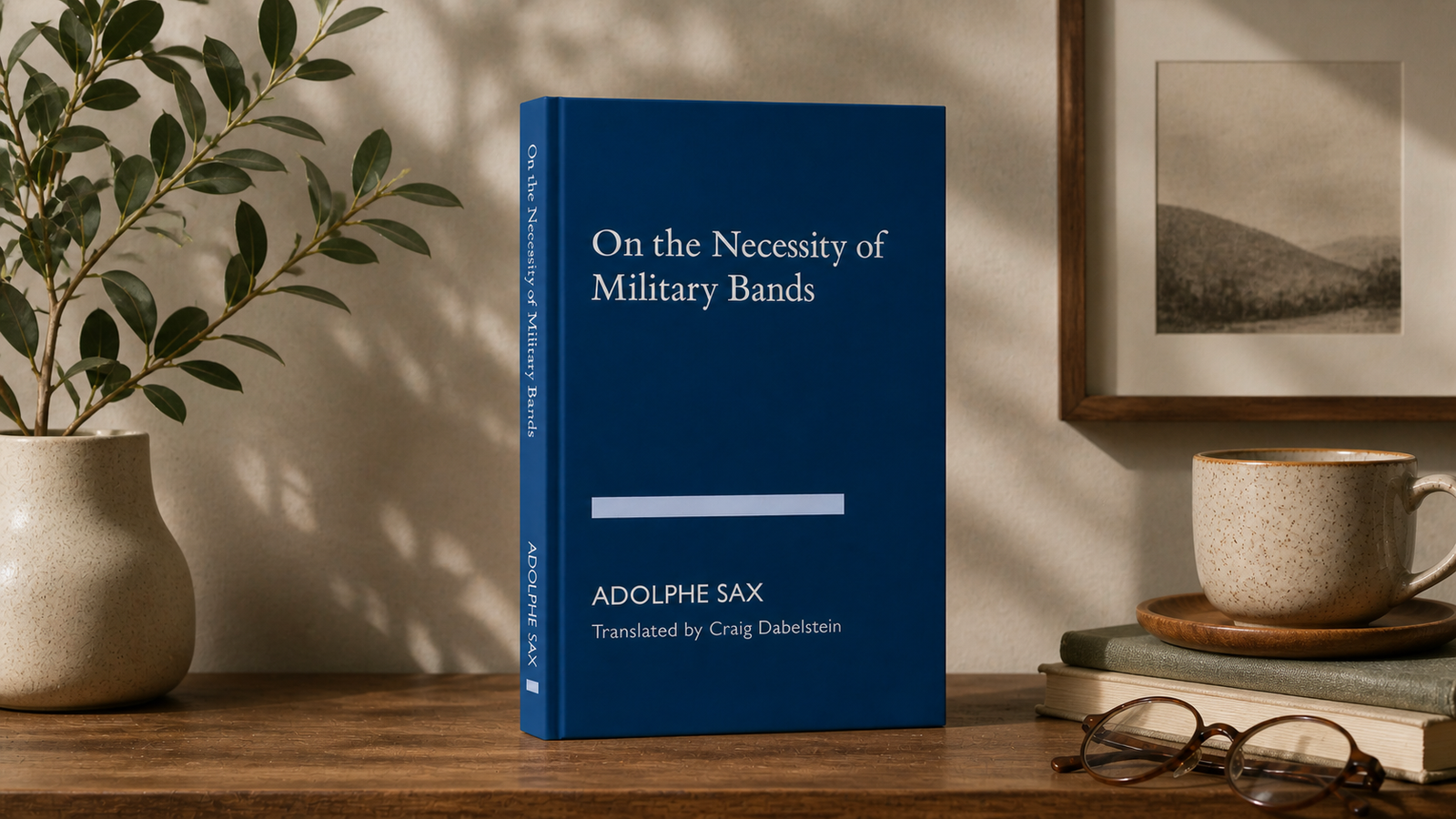
Adolphe Sax makes a bold and impassioned case for the cultural, moral, and economic importance of the military band.
Read more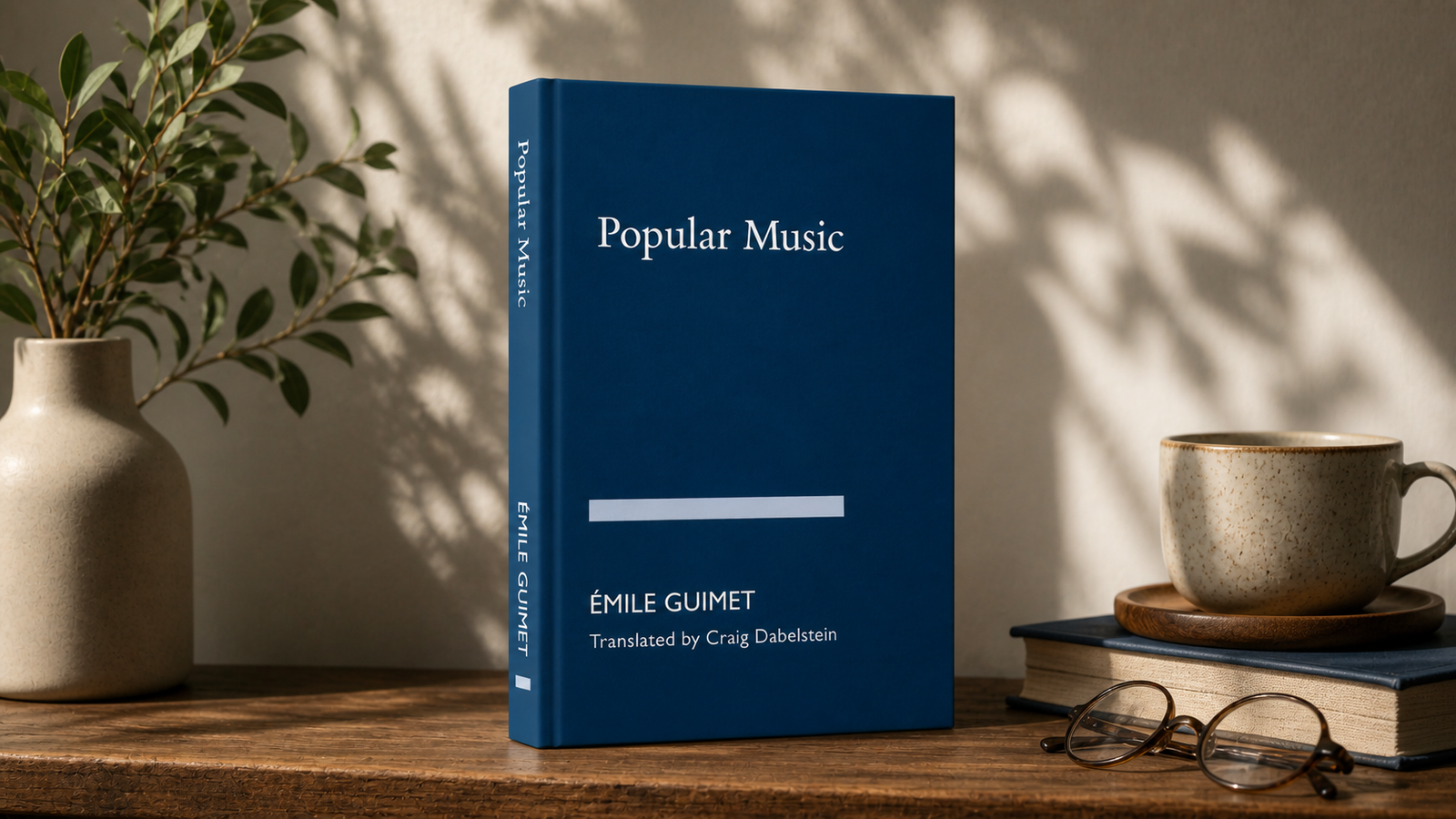
In La Musique populaire, Guimet offers a searching examination of the choral and band movements of his time.
Read more
What is music education really teaching — and what responsibility comes with standing in front of others and asking them to make art?
Read more
I confess: sometimes I think attempting even a small concert is impossible.
Read more
If you are sad, why would you deliberately choose music that makes you sadder?
Read more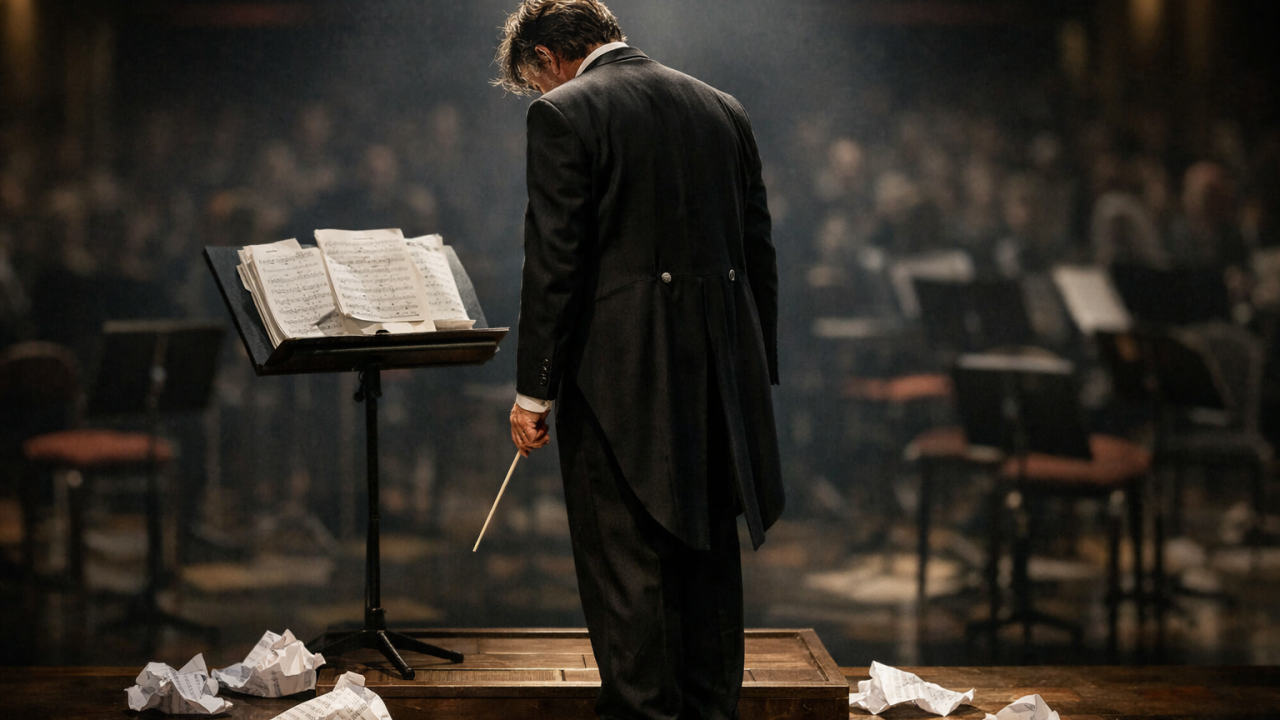
This is the most economical way I know to describe a career spent pursuing a sound that never quite materialised.
Read more
After publishing my reflections on structural conflicts of interest within the wind band world, several predictable objections emerged.
Read more When roles overlap, perception shifts, authority compounds, and scrutiny softens.
Read more
People talk about a “successful music program” as if it were a simple thing — as if it were merely the result of a good teacher, or enthusiastic students, or a few concerts a year.
Read more
There is something worse than a student who never participates in the arts at school.
Read more