The Soundtrack of Thought: Why “Study Music” Is Really About Emotion, Not Lyrics
Because emotional responses to sound are shaped by personal history and aesthetic development, no single study playlist works for everyone.
Read moreCultural Archeologist
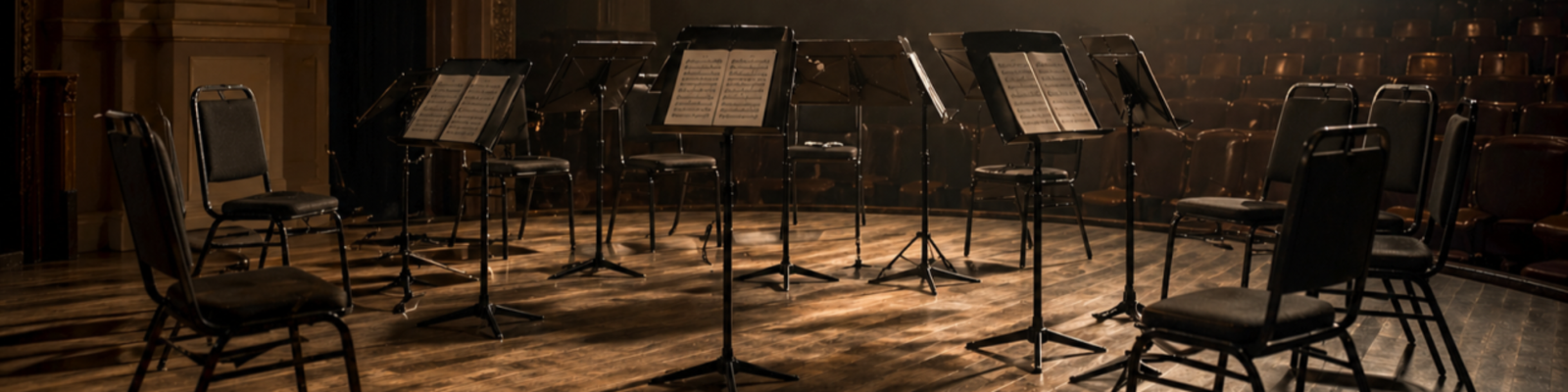

Because emotional responses to sound are shaped by personal history and aesthetic development, no single study playlist works for everyone.
Read more
If change in music education is to occur, musicians may need to do something profoundly uncomfortable.
Read more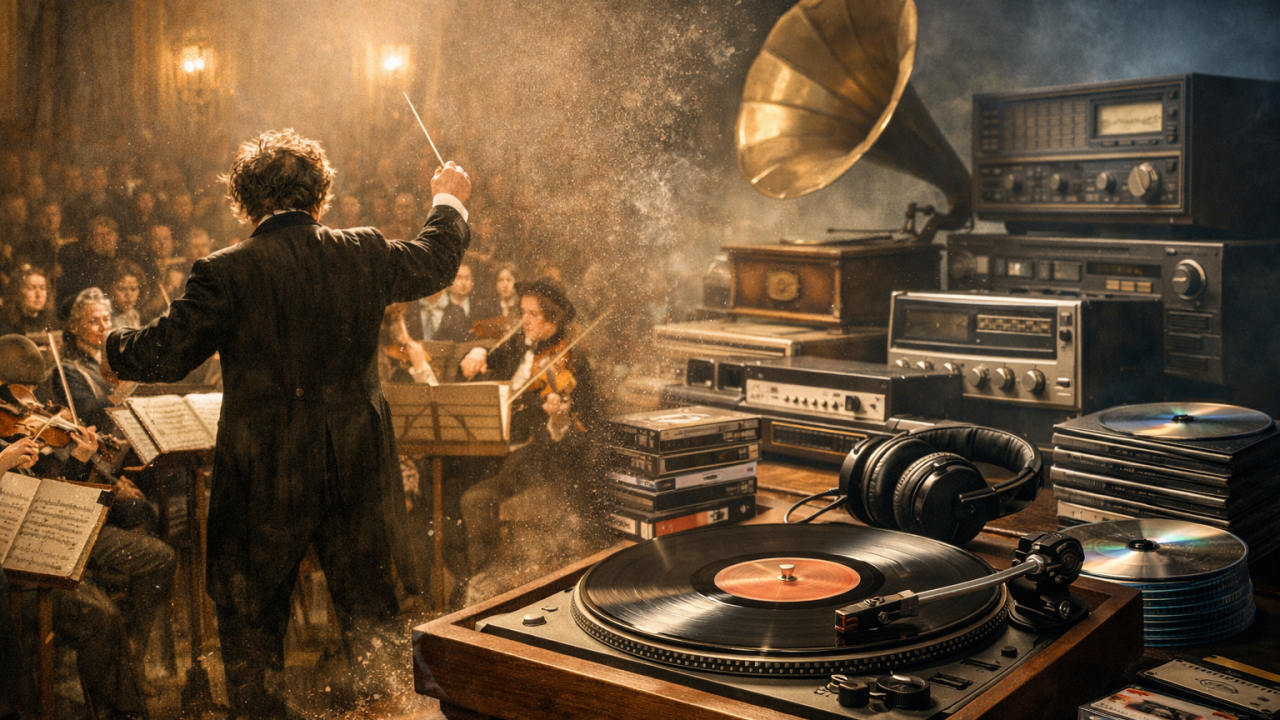
When music can always be heard, it no longer has to be longed for.
Read more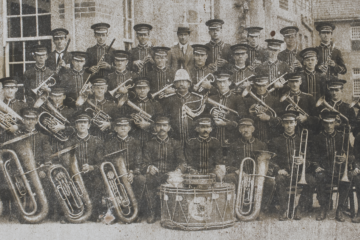
If the wind band is ever to possess a living canon, it may be found in the music that history never allowed to stay still long enough to be heard.
Read more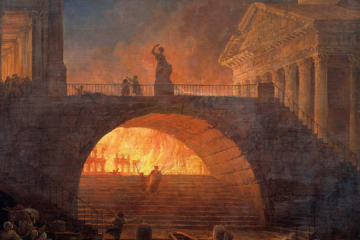
The Latin phrase Imperia corrupta cadunt — corrupt empires fall — is not prophecy. It is history, repeated often enough that it should no longer surprise us.
Read more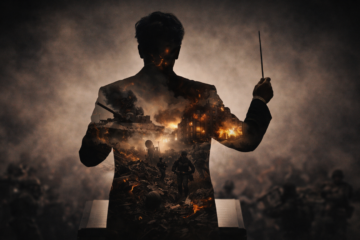
Programming – what we place on the stand, what we ask musicians to rehearse, and what we present to the public are never accidental decisions.
Read more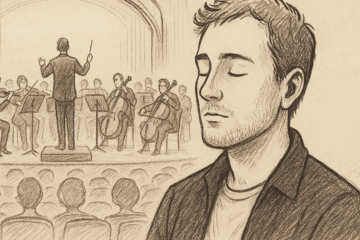
Taste without emotion is sterile; emotion without taste is naïve. Together, they make music not just heard, but lived.
Read more
When François-Joseph Gossec unveiled his Marche lugubre in 1790, he transformed a functional piece of ceremonial music, funeral marches, into an overwhelming aesthetic experience.
Read more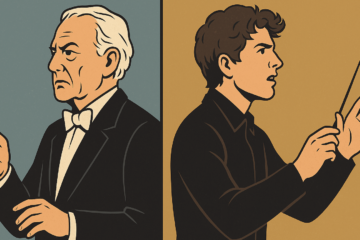
Taste without emotion is sterile; emotion without taste is naïve. Together, they form the art of conducting.
Read more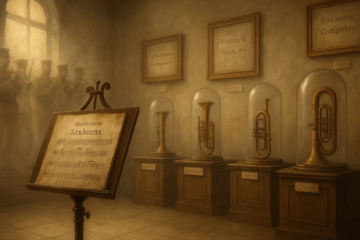
Wind band music is one of the last great frontiers of musicological recovery. It is fragmented, scattered, and often difficult to decode—but it is there. And it is waiting.
Read more